

akane wa tsumare. Ever heard of it? It’s an enigmatic Japanese phrase that might just change how you see the world.
The literal translation is “The madder has been picked” or “The madder is picked.” Madder, by the way, is a plant with roots used for centuries to make a vibrant red dye.
So, what does this have to do with anything? Well, we’re about to dive into its literal meaning, cultural significance, and the powerful lesson it holds for modern opportunities.
Understanding akane wa tsumare can shift your perspective on timing and value in any field. Trust me, it’s worth the read.
The Cultural Roots: A Story of Timing and Value
In Japanese culture, madder harvesting is more than just a seasonal activity. It’s a deep-rooted tradition that has been passed down for generations. Madder, known for its rich red dye, was a precious commodity.
The process of harvesting madder is an art form in itself.
Timing is everything. You have to pick the roots at the exact right stage of growth. If you’re too early or too late, the color won’t be as vibrant.
This critical timing is what makes the difference between a mediocre dye and a masterpiece.
The act of harvesting at the perfect moment became symbolic in Japanese art and literature. It embodies the concept of shun (旬), which refers to the peak season or moment of ripeness. Just like how the best fruits are picked at their peak, madder roots must be harvested at their most potent.
Akane-iro, the deep red color derived from madder, is not just a hue; it’s a symbol. It represents value, passion, and significance. Imagine a painter choosing the perfect shade of red to capture the essence of a sunset.
That’s the kind of importance akane-iro holds.
The phrase akane wa tsumare captures this essence. It speaks to the idea that the best things in life, like the richest colors, come from precise timing and care.
This connection to nature and the seasons is a common theme in Japanese poetry and literature. While I can’t pinpoint a specific poem or proverb, the sentiment is woven into the fabric of Japanese culture. It’s a reminder that sometimes, the most valuable things are those that are fleeting and require the perfect moment to be truly appreciated.
A Modern Metaphor: When an Opportunity Has Already Peaked
You’ve probably heard the phrase akane wa tsumare before. It’s a Japanese saying that translates to “the madder has been picked.” In today’s world, especially in finance and business, it’s a powerful metaphor for a missed opportunity—a moment when the primary value has already been extracted.
Think about it this way. An investment trend, like a specific tech stock, that’s all over the news has likely its major growth phase. The madder has been picked.
By the time you hear about it, the big gains are often behind you.
- The Psychology of FOMO
- Saturated vs. Emerging Markets
- Real-World Examples
FOMO, or Fear Of Missing Out, is a real thing. It pushes people to jump into opportunities after they’ve peaked. You see it all the time. akane wa tsumare
A hot new cryptocurrency, a trendy startup, or a booming real estate market. People rush in, hoping to catch the tail end of the wave. But often, they just end up with a lot of risk and little reward.
On the other hand, there’s the unpicked madder. These are the emerging markets, the startups that haven’t hit the radar yet, and the neighborhoods that are still affordable. This is where the real opportunities lie.
It’s the difference between buying a house in a neighborhood after it’s been gentrified and identifying the neighborhood before the boom. The latter requires more research and a bit of a leap of faith, but the potential rewards are much higher.
So, how do you spot these unpicked madders? It’s not easy, but here are a few tips:
- Stay Informed: Keep an eye on industry reports and emerging trends.
- Network: Talk to people in the field. They can give you insights that aren’t public yet.
- Be Patient: Don’t rush into every shiny new thing. Take your time to evaluate the long-term potential.
Speculating on future trends, I think we’ll see more emphasis on sustainable and ethical investments. As consumers become more conscious, companies that prioritize these values will likely see significant growth. It’s a trend worth watching, and one that might still have some unpicked madder left.
In the end, it’s all about timing and being smart. Don’t let FOMO drive your decisions. Instead, focus on doing your due diligence and making informed choices.
How to Find Your ‘Madder’ Before the Harvest
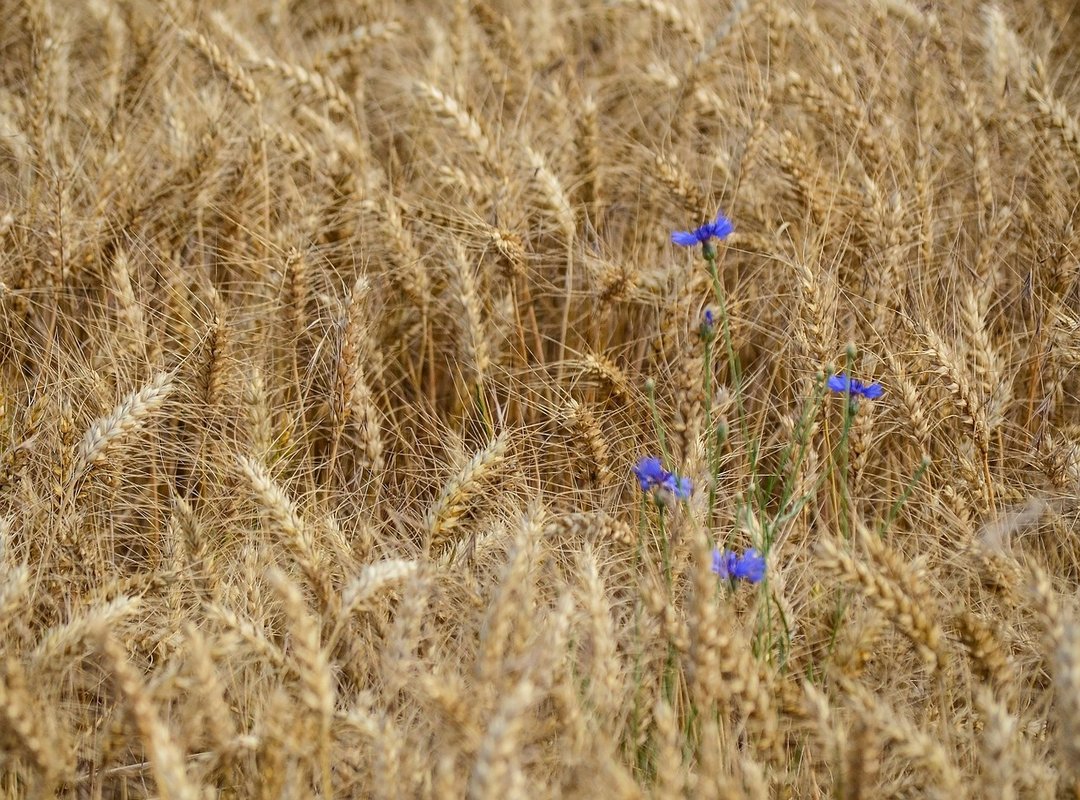
Shift the focus from identifying missed opportunities to proactively finding new ones. It’s all about being ahead of the curve, not just catching up.
First, look for leading indicators, not lagging ones. Leading indicators are like the early warning signs. For example, rising niche search queries can tell you more than major news headlines.
Those headlines? They’re usually too late to be useful.
Next, follow the ‘smart money’ or early adopters. These folks are often the first to spot a trend. Track patent filings, early-stage venture capital funding, or shifts in niche expert discussions.
This is where the real action happens.
Validate the fundamentals. A trend needs a solid underlying problem or demand to have staying power. Ask critical questions: Is there a genuine need?
Who benefits? How sustainable is it? (akane wa tsumare) This process requires more curiosity and research than capital, making it accessible to anyone.
By following these steps, you can stay ahead and make informed decisions. No need to chase every fad. Just be smart and curious.
The Enduring Lesson of the Harvest
The phrase akane wa tsumare encapsulates a profound and timeless lesson about the importance of timing and foresight. It teaches us that the goal isn’t to perfectly predict the future, but to cultivate a mindset that seeks value before it becomes obvious to everyone else.
Think about where you can apply this wisdom. Identify one area in your personal or professional life where the ‘madder’ is still in the ground, waiting to be discovered.
 Head of Financial Content & Portfolio Advisory
There is a specific skill involved in explaining something clearly — one that is completely separate from actually knowing the subject. Jeanda Larsonior has both. They has spent years working with wealth growth perspectives in a hands-on capacity, and an equal amount of time figuring out how to translate that experience into writing that people with different backgrounds can actually absorb and use.
Jeanda tends to approach complex subjects — Wealth Growth Perspectives, Portfolio Management Hacks, Innovation Alerts being good examples — by starting with what the reader already knows, then building outward from there rather than dropping them in the deep end. It sounds like a small thing. In practice it makes a significant difference in whether someone finishes the article or abandons it halfway through. They is also good at knowing when to stop — a surprisingly underrated skill. Some writers bury useful information under so many caveats and qualifications that the point disappears. Jeanda knows where the point is and gets there without too many detours.
The practical effect of all this is that people who read Jeanda's work tend to come away actually capable of doing something with it. Not just vaguely informed — actually capable. For a writer working in wealth growth perspectives, that is probably the best possible outcome, and it's the standard Jeanda holds they's own work to.
Head of Financial Content & Portfolio Advisory
There is a specific skill involved in explaining something clearly — one that is completely separate from actually knowing the subject. Jeanda Larsonior has both. They has spent years working with wealth growth perspectives in a hands-on capacity, and an equal amount of time figuring out how to translate that experience into writing that people with different backgrounds can actually absorb and use.
Jeanda tends to approach complex subjects — Wealth Growth Perspectives, Portfolio Management Hacks, Innovation Alerts being good examples — by starting with what the reader already knows, then building outward from there rather than dropping them in the deep end. It sounds like a small thing. In practice it makes a significant difference in whether someone finishes the article or abandons it halfway through. They is also good at knowing when to stop — a surprisingly underrated skill. Some writers bury useful information under so many caveats and qualifications that the point disappears. Jeanda knows where the point is and gets there without too many detours.
The practical effect of all this is that people who read Jeanda's work tend to come away actually capable of doing something with it. Not just vaguely informed — actually capable. For a writer working in wealth growth perspectives, that is probably the best possible outcome, and it's the standard Jeanda holds they's own work to.