

Financial uncertainty is a feeling we all know too well, especially when the news seems to contradict itself daily. How can anyone make smart investment or business decisions in this chaos? You need a solid grasp of capital finance and investment models.
Without understanding economic trends, you’re flying blind.
I’ve spent years digging into this stuff. Trust me, it’s not as mysterious as it seems. This article is your guide to mastering economic indicators takeaways.
I’ll break it down, step by step, so you can turn dry data into a strategic advantage.
We’re talking about real, actionable strategies for growing your wealth. Ready to stop guessing and start understanding? Let’s uncover the real signals behind the noise, turning economic data into opportunities for you.
Economic Trends Analysis: Navigating Your Capital’s Future
Ever wondered why some investors always stay one step ahead? It’s not magic. It’s economic trends analysis.
This practice involves identifying patterns and momentum in economic data to predict what’s coming next. Sounds fancy, but it boils down to understanding the “why” behind headlines and focusing on the long-term shifts rather than short-term noise.
Imagine this: you’re the captain of a ship. Would you rely solely on the waves hitting your boat, or would you want weather charts to help get through storms and find favorable currents? Economic trends analysis is your weather chart.
Why does it matter? Two reasons: risk mitigation and opportunity identification. You want to spot potential downturns before they impact your portfolio, right?
And, isn’t finding emerging markets poised for growth like discovering hidden treasures? Absolutely.
But don’t mistake this for just reading the news. It’s about dissecting the data (consider) it your secret weapon. Speaking of which, if you’re curious about how this ties into financial markets, you might want to check dissecting financial market movements for a closer look.
So, how are you using economic indicators takeaways to guide your financial decisions? Thought-provoking, isn’t it?
Your Economic Dashboard: Key Indicators That Matter
When I look at the economy, I see it like a giant puzzle with a few pieces that really stand out. These are the ones I keep an eye on (and you should too). Let’s break it down.
Macroeconomic ‘Big Picture’ Indicators
First up, GDP (Gross Domestic Product). Think of this as the economy’s report card. If GDP is climbing, businesses are likely doing well, and investments are probably paying off.
But a falling GDP? That’s a warning light for shrinking revenues. It’s like when your favorite show gets canceled.
Something’s not right.
Then, there’s inflation measured by the CPI (Consumer Price Index). It’s the rate at which money loses value, making your dollars worth less over time. Inflation’s sneaky; it can erode your savings and affect how much debt costs.
Plus, it impacts various assets differently (stocks,) bonds, real estate. You have to consider how inflation plays in each field.
The unemployment rate is another biggie. It’s a snapshot of consumer health. High unemployment might mean less spending and lower economic confidence.
When it drops, people are buying more, boosting economic growth. Does that mean everyone’s financially secure? Not exactly, but it’s a start.
Capital Market & Financial Indicators
Interest rates come next. The Federal Reserve sets these and they dictate how cheap or expensive borrowing is for businesses. Low rates can mean more loans and investments.
But if rates rise, bonds might outshine stocks as the safer bet. It’s all about balancing risk and reward.
Stock market indices like the S&P 500? They’re like the economic mood ring. They show how investors feel about corporate profits.
A rising index can signal optimism, while a dip might suggest caution. But don’t overreact. Markets move on emotion as much as logic.
Forward-Looking & Innovation Indicators
Consumer Confidence Index (CCI) is a favorite of mine. It’s like the economy’s mood ring, predicting spending habits. Watch it closely.
If people feel good about their finances, they’ll spend more, driving growth.
And lastly, venture capital investment. Tracking where the ‘smart money’ flows can reveal the next big sector. This isn’t just about tech; it’s about spotting the future game-changers.
If you want more economic indicators takeaways, keep digging into these trends. Real opportunities often hide in plain sight.
Mastering Your Own Analysis: The 4-Step Guide
Alright, Conducting your own analysis doesn’t need to feel like rocket science. Here’s a bold truth: data drives decisions. But where do you start with all these economic indicators takeaways?
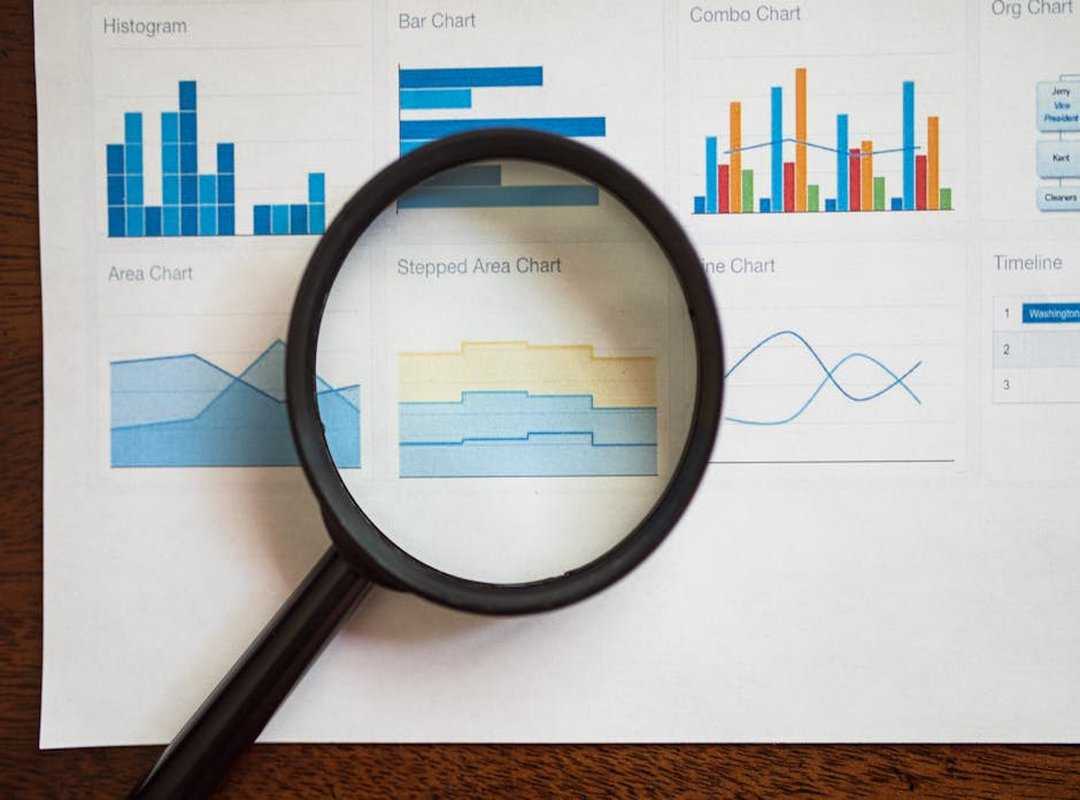
Step 1: Gather High-Quality Data. You can’t make good decisions without good data (obviously). I swear by primary sources.
Check out the FRED database, Bureau of Labor Statistics, Census Bureau, or reputable financial publications. They’re free and credible. Why settle for hearsay when you can go straight to the source?
Step 2: Identify Patterns and Connections. Ever notice how when unemployment drops, consumer spending tends to pick up after a while? That’s no coincidence.
Correlations can give you a window into the future. Look for patterns that might not be obvious at first glance. It’s like connecting dots in a not-so-complicated puzzle.
Step 3: Overlay Qualitative Context. Numbers alone? They only tell part of the story.
Look beyond them. Consider new regulations, geopolitical events, or tech breakthroughs (AI is a big one). These factors can shift trends.
It’s like watching a game; you need to know the rules and the unexpected plays.
Step 4: Formulate a Forward-Looking Thesis. This is your “so what?” moment. Synthesize data and context to make a simple thesis.
Think: “With rising interest rates and strong consumer spending in tech, small-cap tech companies with low debt might be golden.” Makes you sound smart, right?
Want to know more about the role of an investment analyst? Check out this guide. It ties it all together.
That’s it, folks. Analysis isn’t just for the pros. With a little practice, you can do it too and make sense of the market space.
From Analysis to Action: Building a Resilient Investment Plan
Let’s cut to the chase. You’ve got your analysis in hand, but how do you actually use it to make financial decisions? It’s not just about predicting the future (spoiler: you can’t).
It’s about using economic indicators takeaways to craft a plan that can adapt.
Take sustained inflation. If your analysis points that way, consider real assets. Real estate, commodities, maybe even Treasury Inflation-Protected Securities (TIPS).
They’re your friends here. They’re not flashy, but they get the job done.
Now, what if you spot a new tech trend? This is where you might think about re-allocating some of your portfolio. New growth stocks or sector-specific ETFs could be the play.
Sure, it sounds risky, but isn’t that part of the fun?
And then there’s the dreaded recession signal. It’s not all doom and gloom. Defensive strategies can save the day.
Increase cash reserves, focus on companies with strong balance sheets, or dive into consumer staples. These are your safe harbors.
Remember, the goal isn’t perfection. It’s about building a strong model that can handle whatever the economy throws at you. So, are you ready to take action, or just sit there with your analysis?
Take Charge of Your Money
Feeling powerless against economic news? I get it. But here’s the thing: with economic indicators takeaways, you’re not just a passive listener anymore.
You become the analyst of your own future. By now, you should have a clear system for analyzing trends. That’s power in your hands.
Why does it work? Because it shifts your mindset from reactive to proactive. Who wouldn’t want that?
Start today. Pick one key indicator from what we’ve discussed. Apply the 4-step process to your investments or business goals.
Don’t just sit there. Take action. Track that indicator.
Watch how it changes your financial destiny. Want to stop feeling at the mercy of the economy? This is your solution.
Start now and see the transformation.
 Founder & Chief Executive Officer (CEO)
Caelina Vaythanna is the kind of writer who genuinely cannot publish something without checking it twice. Maybe three times. They came to wealth growth perspectives through years of hands-on work rather than theory, which means the things they writes about — Wealth Growth Perspectives, Capital Investment Models, Expert Breakdowns, among other areas — are things they has actually tested, questioned, and revised opinions on more than once.
That shows in the work. Caelina's pieces tend to go a level deeper than most. Not in a way that becomes unreadable, but in a way that makes you realize you'd been missing something important. They has a habit of finding the detail that everybody else glosses over and making it the center of the story — which sounds simple, but takes a rare combination of curiosity and patience to pull off consistently. The writing never feels rushed. It feels like someone who sat with the subject long enough to actually understand it.
Outside of specific topics, what Caelina cares about most is whether the reader walks away with something useful. Not impressed. Not entertained. Useful. That's a harder bar to clear than it sounds, and they clears it more often than not — which is why readers tend to remember Caelina's articles long after they've forgotten the headline.
Founder & Chief Executive Officer (CEO)
Caelina Vaythanna is the kind of writer who genuinely cannot publish something without checking it twice. Maybe three times. They came to wealth growth perspectives through years of hands-on work rather than theory, which means the things they writes about — Wealth Growth Perspectives, Capital Investment Models, Expert Breakdowns, among other areas — are things they has actually tested, questioned, and revised opinions on more than once.
That shows in the work. Caelina's pieces tend to go a level deeper than most. Not in a way that becomes unreadable, but in a way that makes you realize you'd been missing something important. They has a habit of finding the detail that everybody else glosses over and making it the center of the story — which sounds simple, but takes a rare combination of curiosity and patience to pull off consistently. The writing never feels rushed. It feels like someone who sat with the subject long enough to actually understand it.
Outside of specific topics, what Caelina cares about most is whether the reader walks away with something useful. Not impressed. Not entertained. Useful. That's a harder bar to clear than it sounds, and they clears it more often than not — which is why readers tend to remember Caelina's articles long after they've forgotten the headline.